
Modern Cocktail Party Menu for Hong Kong Events
January 31, 2026
Hong Kong Nightlife for Singles: The Ultimate Guide to the Best Bars
February 18, 2026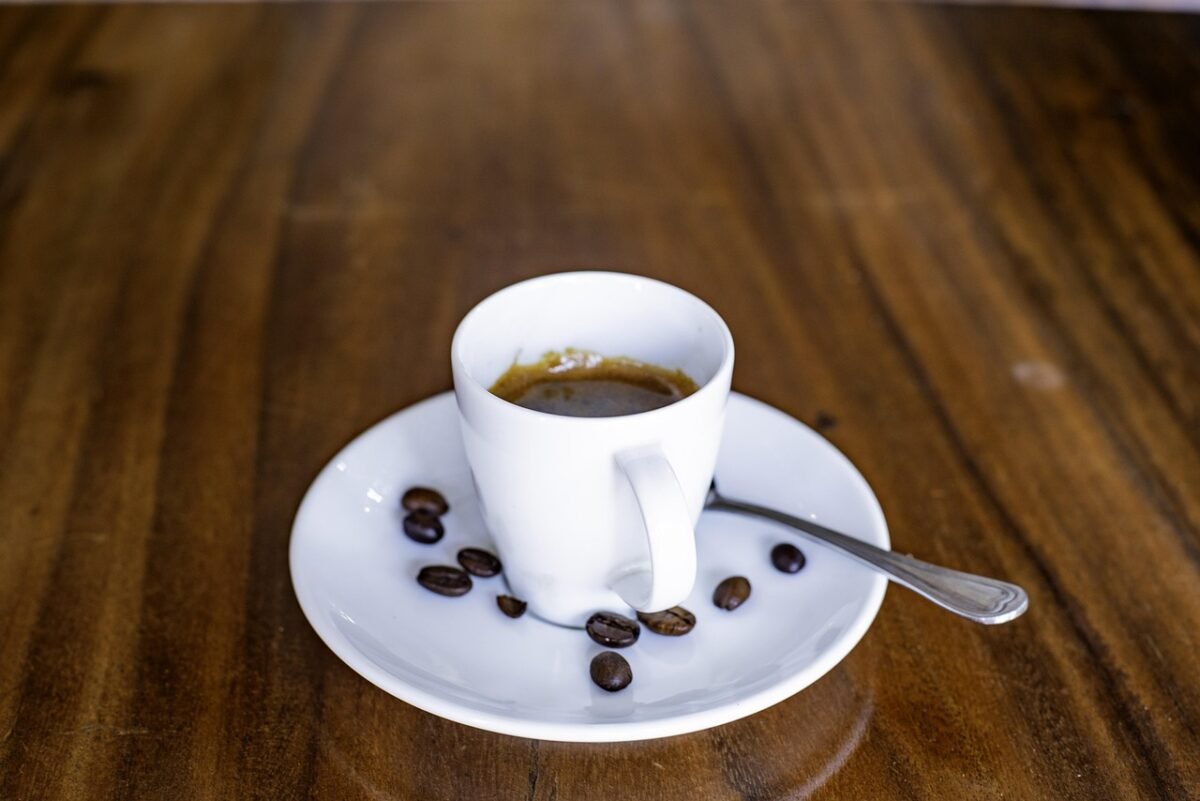
Coffee and gin might sound like an unusual mix, but together they create a surprisingly smooth and aromatic drink. Many people now love this drink. Coffee gin is a blend of the rich depth of roasted coffee beans with classic gin botanicals like juniper, citrus peel, and spices. The result is a balanced spirit that feels both bold and refined. Cocktail lovers, home mixologists, and anyone who enjoys trying modern spirits with a twist, this.
At its core, coffee gin is a type of gin that uses coffee as an added flavor element. Instead of overpowering the drink, the coffee infusion is carefully balanced with traditional botanicals. Many distillers use roasted Arabica beans or cold brew coffee to create a smooth taste without bitterness. This coffee-infused still follows the basic rules of this production, meaning juniper remains the main flavor. The coffee adds a warm, rich flavor with a light roasted taste that makes the drink more special.
How Coffee Gin Is Made
There are a few common methods used to create the drink, and each one affects the final taste.
Coffee Infusion
Roasted beans are steeped in distilled gin for a controlled period. This method allows the oils and aromas to blend naturally and make a good drink.
Cold Brew Method
Some producers use cold brew coffee instead of hot coffee. This keeps the flavor smooth and reduces acidity. This will make the gin easier to drink for people.
Redistillation
In some high-quality drinks, coffee is added while the gin is being made, so the flavor blends smoothly. This gives the gin a light coffee taste, not too strong. The main idea is to mix the coffee gently with natural flavors like herbs, citrus peel, and mild spices so the drink tastes balanced and pleasant.
Flavor Profile: What Does It Taste Like?
A coffee-flavored drink usually offers a layered tasting experience. You may notice:
- Gentle roasted coffee notes
- Juniper freshness
- Hints of chocolate, caramel, or nuts
- Citrus brightness from orange or lemon peel
- A smooth, warming finish
Unlike coffee liqueurs, this is not sweet. It stays dry, crisp, and complex, making it suitable for many cocktails.
Coffee Gin vs Regular Gin
The main difference between them is flavor depth. Traditional gin focuses heavily on juniper and herbs. A coffee-blended gin adds warmth and richness without losing the classic character.
Regular gin is often used in light, refreshing drinks. It works well in both refreshing and bold cocktails, especially evening drinks and dessert pairings.
Popular Ways to Drink
This coffee-inspired spirit is versatile and easy to enjoy.
Coffee Gin and Tonic
A simple mix with tonic water and orange peel highlights both citrus and roasted notes.
Coffee Negroni
Swap standard gin for a coffee-infused version to add depth and richness to this classic cocktail.
Cold Brew Gin Cocktail
Mix cold brew coffee and a touch of citrus for a smooth, modern drink.
Espresso-Style Martini Twist
Use a coffee-based gin instead of vodka for a more botanical, aromatic cocktail. Many cocktail bars make this type of drink, and people enjoy it.
Garnishes That Work Best
The right garnish can elevate the drink. Popular options include:
- Whole coffee beans
- Orange or lemon peel
- Cinnamon stick
- Dark chocolate shavings
These garnishes enhance the aroma and presentation without overpowering the drink.
Choosing the Right Coffee Beans
There should be high-quality beans to make gin. Many distillers prefer the Arabica beans because they always offer smoother and more complex flavors. Light- to medium-roast beans are mostly used to avoid bitterness and keep the spirit balanced.
The origin of the coffee also matters. Beans from Ethiopia, Colombia, or Brazil can add fruity, nutty, or chocolatey notes to the final gin.
Alcohol Content and Strength
Most coffee-infused gins fall within the same alcohol range as traditional drink, usually around 40% ABV. This makes them suitable for cocktails. They are still deliver a strong and satisfying flavor. Always check the label, as some craft versions may be slightly stronger or lighter.
Food Pairing Ideas
This coffee-style gin pairs well with:
- Chocolate desserts
- Citrus-based sweets
- Cheesecake
- Light pastries
- Spiced nuts
The roasted notes complement sweet and creamy foods beautifully.
Can You Make Coffee Gin at Home?
Yes, you can try making this drink at home. Just add roasted coffee beans to a good-quality drink and let it sit for a few hours or a couple of days. Taste it now and then to see if the flavor is right for you. Make sure to store it properly and always drink responsibly.
Craft Gin and Coffee Trends
Craft spirits are becoming more popular, and distillers are trying new and creative flavors. One example is coffee-flavored gin. It mixes the rich taste of specialty. Many brands even work with local coffee roasters to create unique and interesting flavors.
Serving Tips for Best Flavor
- Serve chilled but not frozen
- Use large ice cubes to reduce dilution
- Choose quality mixers
- Sip slowly to enjoy the aroma
These small details make a big difference.
Final Thoughts
It mixes two popular flavors—coffee and gin—into one drink. It has a rich and smooth taste. You can enjoy it with tonic water, in cocktails, or even with dessert. Both new and regular drinkers can try it and discover a new style of gin.
Yes, especially for people who already enjoy coffee or classic gin cocktails. The flavor is approachable, smooth, and not overly strong for the audience. Beginners often find it easier to enjoy than heavily spiced or floral gins.
No, this type of gin is typically dry. The coffee flavor comes from natural infusion. There is no sugar. This makes it very different from coffee liqueurs. Coffee liqueurs are usually sweet and syrupy.
Both are complex drinks on their own. When they are combined, their layers enhance the flavor of each other. Coffee adds depth, while this brings freshness and structure. That’s why this has become a favorite in modern mixology.
Yes, it’s possible to experiment at home. You can infuse roasted coffee beans into a good-quality drink for a few hours or days, tasting regularly.
No, this type of gin is typically dry. The coffee flavor comes from natural infusion, not added sugar. This makes it very different from coffee liqueurs, which are usually sweet delicious, and syrupy.