
Choosing the Right Venue for a Business Cocktail Party
January 9, 2026
Modern Cocktail Party Menu for Hong Kong Events
January 31, 2026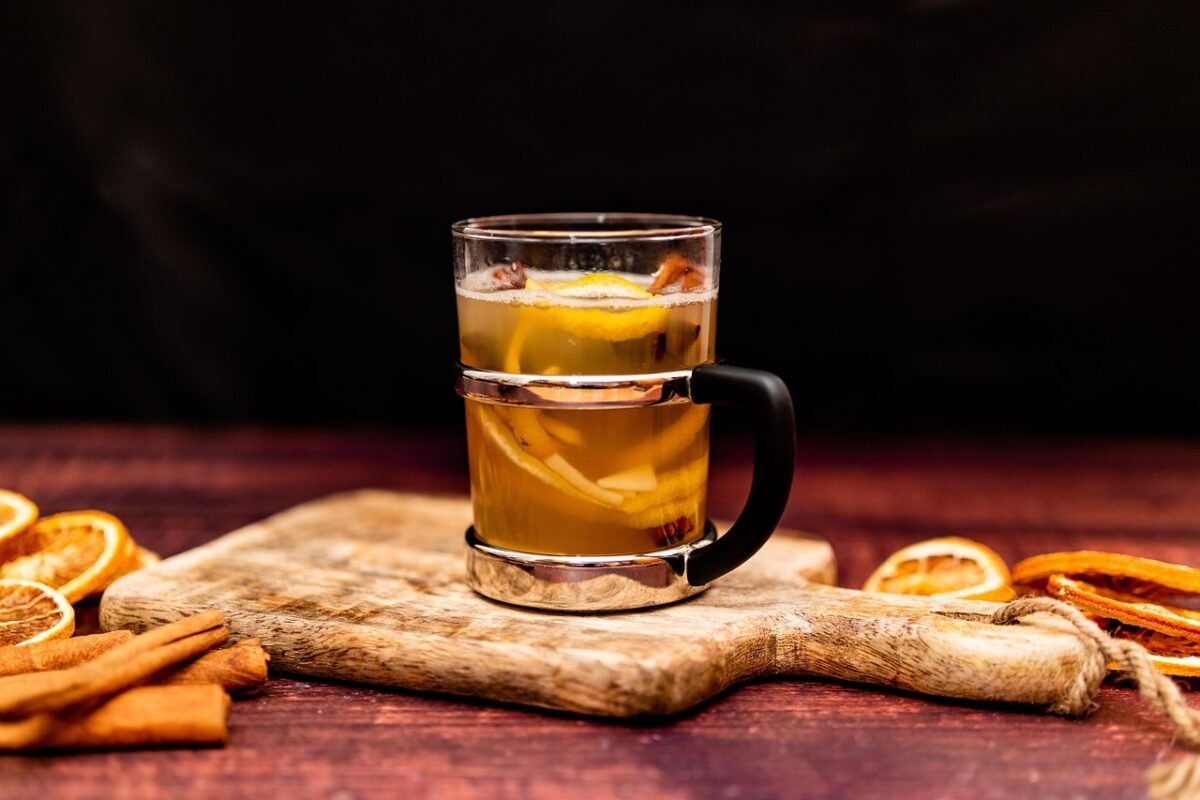
Cultural drinks are more than simple beverages. They represent history, tradition, identity, and social connection. Across the world, every culture has unique drinks shaped by geography, climate, ingredients, and generations of shared knowledge. From fermented beverages passed down through tribal communities to ceremonial drinks served at festivals and gatherings. cultural drinks offering a powerful way to understand people and their lifestyles.
In the globalized world, traditional beverages continue to hold deep meaning. They preserve heritage, strength the community bonds, and reflect the cultural values according to the taste.
What Are Cultural Drinks?
Cultural drinks are traditional beverages that are generated from a specific region or community and are closely connected to local customs, beliefs, and daily lifeof people. Unlike commercial soft drinks or mass-produced beverages, these drinks are often prepared according to the traditional methods and natural ingredients which people like.
They may be alcoholic or non-alcoholic, fermented or fresh, hot or cold, their are many types. What makes them special is not just how they are made, how they are used — in ceremonies, celebrations, hospitality, and everyday routines.
Why Cultural beverages Are Important
Traditional beverages play a meaningful role in societies around the world. Many Coctail Bars make these types of drinks. They are often linked to:
- Cultural identity – representing who people are and where they come from
- Social connection – shared during gatherings, meals, and rituals
- History and heritage – passed from one generation to the next
- Spiritual and ceremonial practices – used in religious events and festivals
In many cultures, offering a traditional drink is a sign of respect and welcome. These beverages carry stories, values, and traditions that cannot be replaced by modern drinks. Some makes the drinks according to the themes such as asian mask and others.
Famous Cultural Drinks From Around the World
Asian Traditional drinks
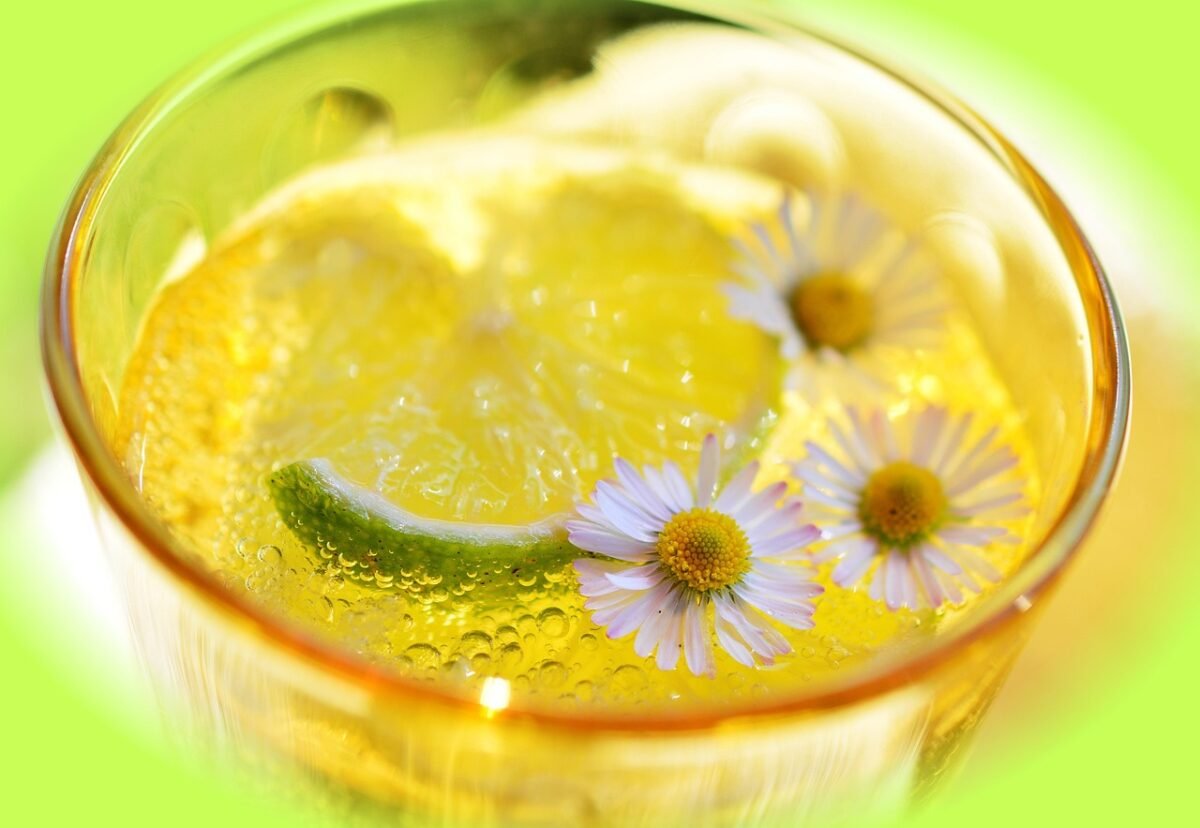
Asia is special to some of the world’s oldest and most respected beverage traditions.
- Sake (Japani)
Sake is a rice-based alcoholic drink deeply connected to Japanese rituals and celebrations. It is mostly used in religious ceremonies, weddings, and festivals. - Soju (Korea)
Soju is a clear distilled drink that plays a major role in Korean dining culture. It is commonly shared during dinners and social gatherings, which emphase on respect and bonding. - Traditional Tea Culture (China)
Tea events focus on mindfulness, respect, and balance for people. Different regions specialize in unique tea varieties, each with its own cultural meaning. - Cultural Drinks of the Americas
The Americas offer a wide variety of traditional beverages influenced by indigenous cultures and colonial history.
- Mate (Argentina)
- Horchata (Mexico)
- Pulque and Mezcal (Mexico)
- Coffee Traditions (Ethiopia)
European Traditional Beverages
European Historic drinks often reflect the regional ingredients and centuries-old techniques of drinks.
- Rakia / Rakija (Balkan Region)
This fruit taste is a symbol of celebration and hospitality. It is commonly homemade and served during important life events. - Pisco (Peru and Chile)
Pisco is a flavour of grapes spirit with cultural importance in both countries. It represents national pride and traditional distillation methods.
African and Indigenous Cultural Refreshments
Indigenous and African beverages are deeply tied to land, agriculture, and community life.
- Obushera (Uganda)
- Handia (India – Tribal Regions)
Alcoholic vs Non-Alcoholic Cultural Drinks
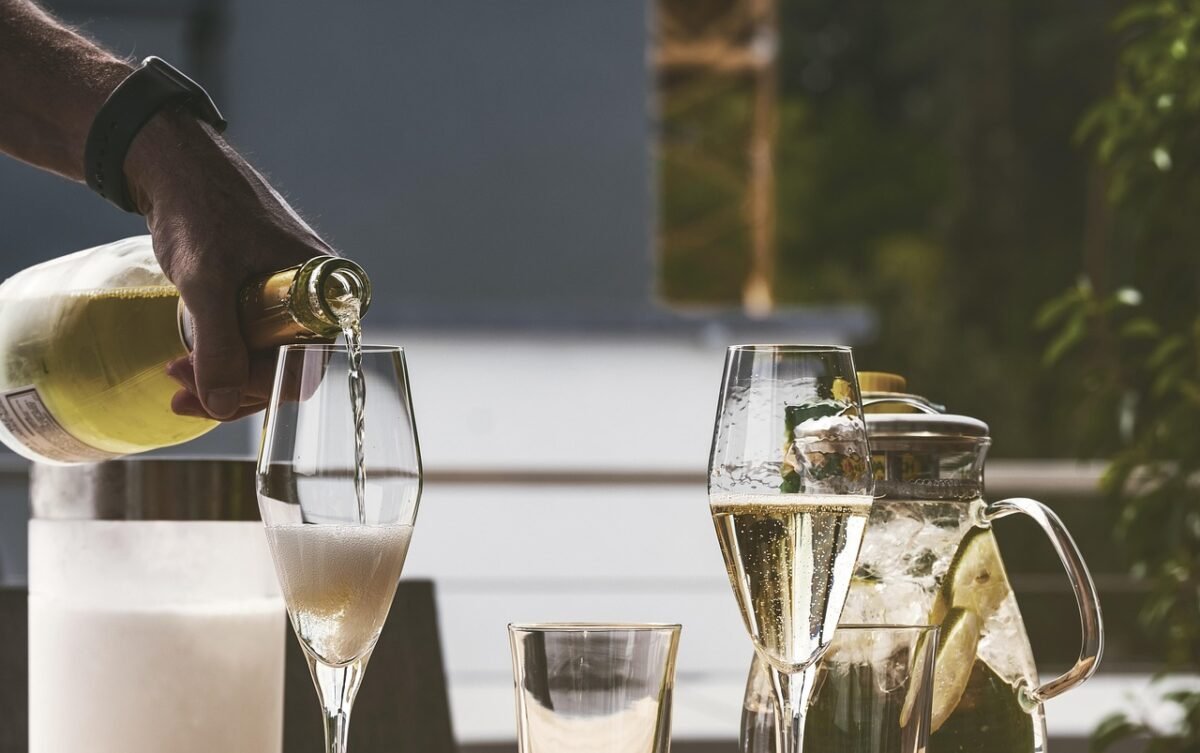
- Cultural drinks are usually of two types: alcoholic and non-alcoholic. Alcoholic drinks are often made by fermenting or distilling ingredients and are mostly used during celebrations, festivals, and social gatherings. Non-alcoholic traditional drinks are enjoyed every day to stay hydrated, aid digestion, and feel refreshed. In many places, religious beliefs, climate, and local traditions play a big role in deciding which type of drink is more common and important.
Traditional Brewing and Fermentation Methods
Many cultural drinks are made using simple methods that people learned long ago. They use natural yeast and bacteria and make these drinks from grains, fruits, or milk. In earlier times, drinks were prepared in clay pots or wooden containers. This process helps the drink last longer and gives it better taste and nutrition. These old methods show us that how people understood nature and used the resources wisely.
Health Benefits of Traditional Cultural Drinks
Many cultural drinks are made from natural ingredients which are easy to digestible and offer health benefits, such as:
- Support the digestion through fermentation process
- Providing probiotics and nutrients
- Cooling and warming the body naturally
- Using herbs with medicinal properties
These benefits come from centuries of cultural wisdom rather than modern trends.
Conclusion
Cultural drinks are living traditions that reflect the soul of societies around the world. From ceremonial teas to fermented grains and herbal infusions, these beverages carry some stories that deserve to be preserved and celebrated. Different are according to some themes. Cocktail drinks in Hong Kong are very special in some drink bars, they are flavoured and having special taste.
Frequently Asked Questions(FAQs)
Cultural drinks are traditional beverages connected to a specific region or community. They are often made using local ingredients and traditional methods and are closely according to the customs, history, traditions of the city and social practices.
No, cultural drinks can be alcoholic or non-alcoholic.
Unlike modern drinks, these traditional drinks are made using old methods that families have passed down for generations. They use natural ingredients and simple processes like fermentation. These drinks are made with care and cultural meaning, not in large factories.